At the core of any successful business is an efficiently managed workforce. Whether you manage a small group or expand your business, the ability to manage employees is important to building an effective and positive work environment.
But managing employees is much more than simply delegating tasks. It involves bringing in the right employees, building communication and development-oriented cultures, monitoring performance, and complying with regulations. When done correctly, it enhances morale, retention, and overall business performance.
Knowing Employee Management
Employee management is the formal process an organization implements to guide, nurture, and grow its employees. It begins the minute a job applicant is brought on board and goes all the way through training, performance reviews, career growth, and even offboarding. The aim is to have all employees make valuable contributions while feeling appreciated and encouraged.
To be successful, employee management blends assertive communication, continuous feedback, strategic planning, and above all, a true grasp of human dynamics in the workplace.
Smarter Management with Digital Tools
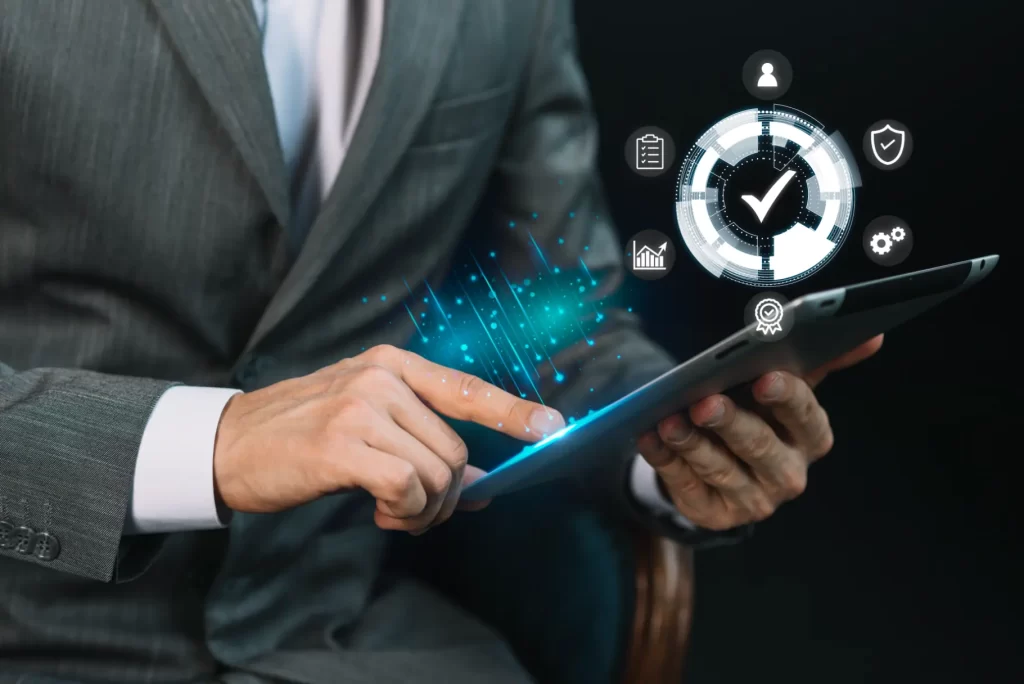
Today’s fast-paced world, manual processing and spreadsheets alone can soon become counterproductive. This is where human resource management software comes in. These tools provide an online solution for automating core HR functions, conserving time and minimizing errors.
From maintaining employee information and monitoring attendance to payroll and performance management, HR software helps companies run more accurately and quickly. It also offers data-driven insights to guide leaders in making informed decisions regarding their teams.
By eliminating tedious tasks, human resource management software allows time for HR professionals and managers to concentrate on strategic efforts—such as establishing a robust company culture or creating leadership programs.
Core Components of Effective Employee Management
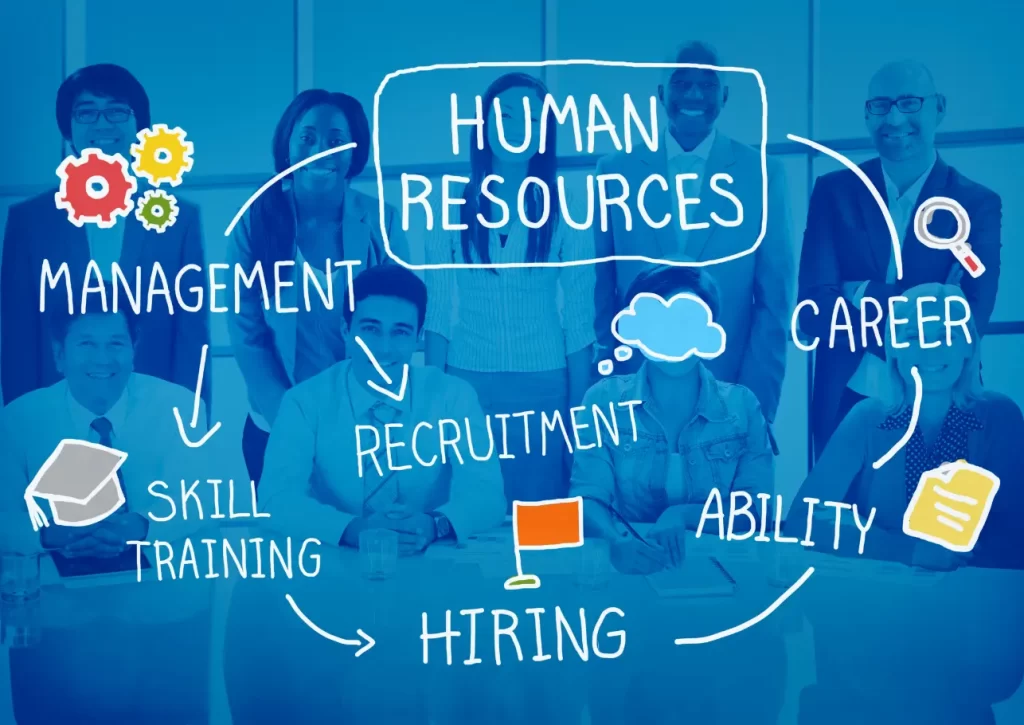
Effective employee management is about building systems that serve people throughout the duration of their tenure within the business. It starts with hiring people who aren’t just talented but also a good fit culturally. From there, onboarding needs to be seamless, establishing clear expectations and getting them familiar with your values and procedures.
As workers mature, consistent check-ins and performance reviews are essential. These aren’t feedback opportunities alone—these are moments to listen, re-set goals, and celebrate successes. Facilitating professional growth through training and mentorship works wonders in fostering loyalty and decreasing turnover.
Equally crucial is creating a culture of open communication. When workers feel that they are being heard, they are more motivated and dedicated. This involves promoting feedback, resolving conflicts at the early stages, and establishing trust throughout the organization.
Why Employee Management Is Important?
Employee management is not a one-time process, it’s an ongoing commitment to your staff. With the right attitude and the help of trusted human resource management software, companies can turn their workforce into a motivated, high-performing team.
That’s where PeopleWorks comes in. PeopleWorks offers a comprehensive Human Resource Management Software designed to streamline every aspect of employee management—from onboarding and performance tracking to payroll and compliance. By automating routine HR processes and offering real-time insights, PeopleWorks helps organizations focus on what truly matters: building a motivated, high-performing workforce.
In today’s competitive talent landscape, how you manage your people can be the difference between thriving and just surviving. Invest in your people—and let PeopleWorks take care of the rest.