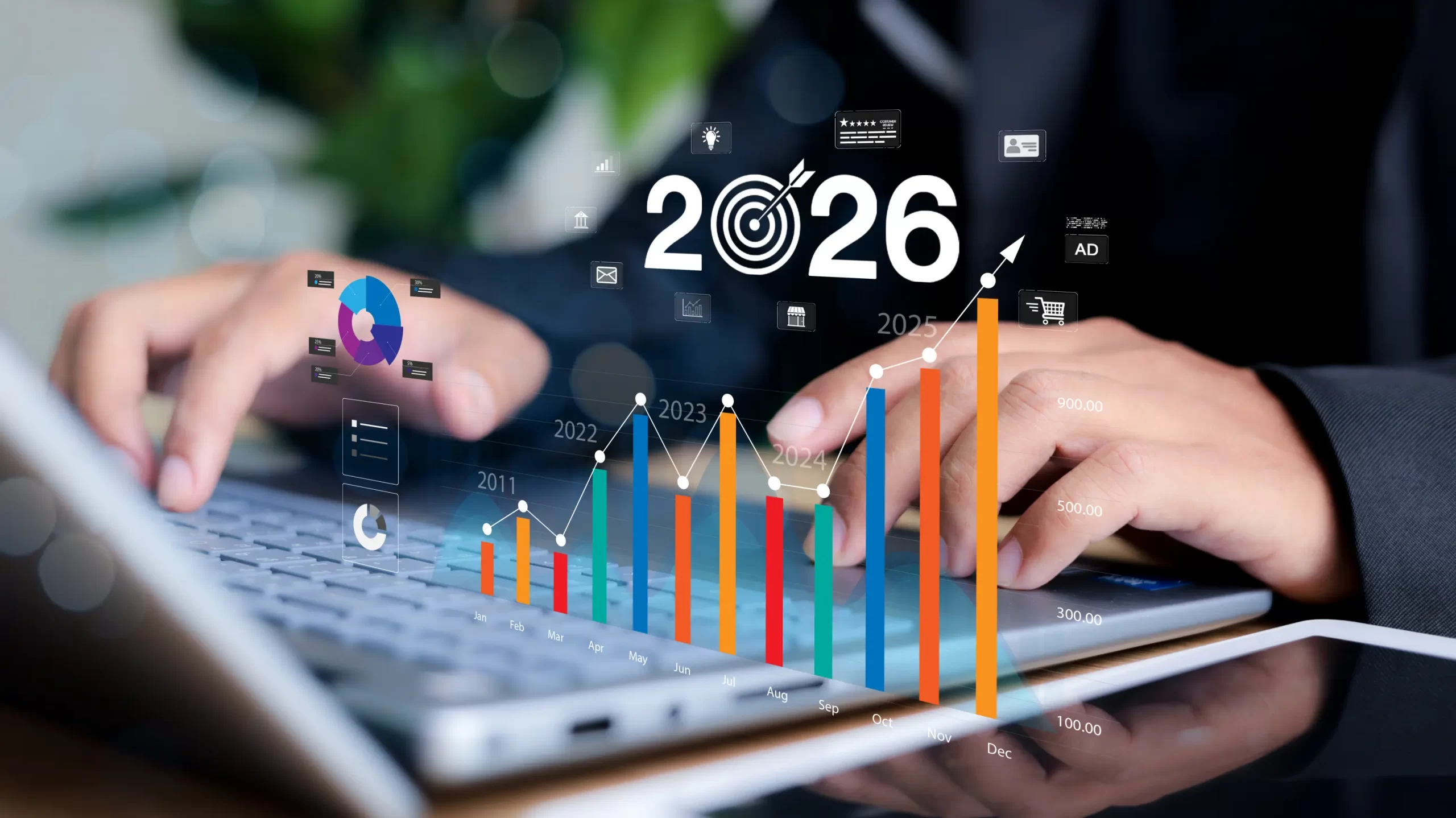
The Economic Survey 2026, presented by Finance Minister Nirmala Sitharaman, provides valuable insights into how the country’s workforce is changing and what businesses should expect in the years ahead.
Every year, India’s Economic Survey provides valuable insights into the country’s economic performance and future priorities. While it is often seen as a report for policymakers and economists, it also offers important takeaways for HR leaders and business owners.
The survey highlights one clear message: the driving force behind business growth will always be people. As industries evolve with technology, changing employee expectations, and new ways of working, organizations need to rethink how they hire, engage, and retain talent. Businesses using HRMS software in Bangalore are already leveraging digital tools to manage their workforce more effectively, while the payroll software helps ensure compliance, accuracy, and employee satisfaction.
So, what does this mean for HR teams? Let’s look at the key workforce trends and how businesses can prepare for the future.
1. Skills Will Matter
The demand for skilled professionals is ever-growing across industries. Academic qualifications will no longer be the deciding factor. Employers want problem solvers, quick learners, and contributors from day one.
With the rise of AI, automation, and data analytics, technologies are constantly evolving, and so must employees’ skills.
That means HR leaders need to invest in learning and development. You can help employees stay relevant and improve overall business performance by offering online courses, mentorship programs, and regular training sessions.
2. AI Is Changing Jobs, Not Replacing People
Artificial Intelligence is gradually finding its way into nearly all business functions, including HR. AI can automate repetitive tasks, such as screening resumes, scheduling interviews, or answering employee questions.
But the Economic Survey also notes that human skills such as creativity, leadership, communication, and decision-making still count. AI is not here to replace employees but to help them work smarter.
HR teams should focus on training employees to understand AI tools and best practices for using them in their day-to-day work. Modern HRMS software is increasingly integrating AI-powered features to simplify HR operations while keeping people at the center of decision-making.
3. Employee Well-being
Today’s employees expect more than their monthly salary. They look for workplaces that prioritize their physical, mental, and emotional well-being.
Offering flexible work arrangements, wellness programs, mental health support, and a healthy work culture leads to higher employee engagement and lower attrition.
HR teams should regularly collect employee feedback, promote work-life balance, and create a culture where employees feel heard and supported.
4. Flexible Work
Hybrid and remote work have changed employee expectations forever. Not all jobs can be done fully remotely, but flexibility is becoming increasingly important when choosing an employer.
Organizations need clear policies around hybrid work, communication, performance monitoring, and collaboration. Good digital tools and regular check-ins can help keep employees productive, regardless of where they’re working.
The focus should be on measuring results and performance rather than micromanaging employees.
5. Continuous Upskilling
Technology is changing rapidly, and job roles are evolving with it. Continuous learning enables employees to adapt to new challenges.
Every new skill requirement cannot be met through external hiring. Organizations should provide opportunities for internal learning and career growth.
Workplaces should build a future-ready workforce through monthly learning sessions, certification programs, cross-functional projects, and leadership development initiatives.
6. Data-Driven HR Decisions
Organizations increasingly use data to improve hiring, employee engagement, performance management, and workforce planning.
HR analytics can help answer key questions such as:
- Why are employees leaving?
- Where do the best candidates come from?
- Which training programs improve performance?
- Which teams need additional support?
By leveraging HR data, companies can make faster and better decisions while enhancing the overall employee experience. Businesses using HRMS software can access real-time workforce insights.
7. Women at Work: Building Stronger Organizations
Like many developed countries, the number of women in the workforce in India is growing every year. However, compared to these countries, women in India continue to face greater challenges in balancing their work and family responsibilities.
The survey highlights the importance of women-friendly workplaces with flexible working hours, childcare benefits, inclusive policies, and equal growth opportunities.
Organizations that prioritize employee well-being experience higher retention, stronger collaboration, and better employee satisfaction. Simple initiatives such as flexible schedules, hybrid work options, mentorship programs, and transparent career development can make a significant difference.
An inclusive workplace is not just an HR initiative—it is a business strategy that helps attract and retain top talent.
What Should HR Leaders Do Next?
The changing workplace presents both challenges and opportunities.
Organizations that invest in continuous learning, automate routine HR tasks, prioritize employee engagement and well-being, and embrace flexible workplace policies will be better positioned to develop future leaders from within.
The Economic Survey 2026 emphasizes that companies investing in their people today will be better prepared for tomorrow. By adopting advanced HRMS software and the best payroll software in Bangalore, organizations can streamline HR operations, improve workforce management, and build a future-ready organization. With a comprehensive HR platform like PeopleWorks, businesses can confidently navigate change and lead the future of work.